Sand dunes become a park
In the 1860s, the land west of the city was known as the Outside Lands, a stretch of shifting sand. The city set aside the park in 1870, and engineer William Hammond Hall surveyed it and drew the first plan in 1870 and 1871. Hall stabilized the dunes with barley, lupine and grasses, then planted trees, starting at the east end where the soil was firmer.
John McLaren and the planting of the park
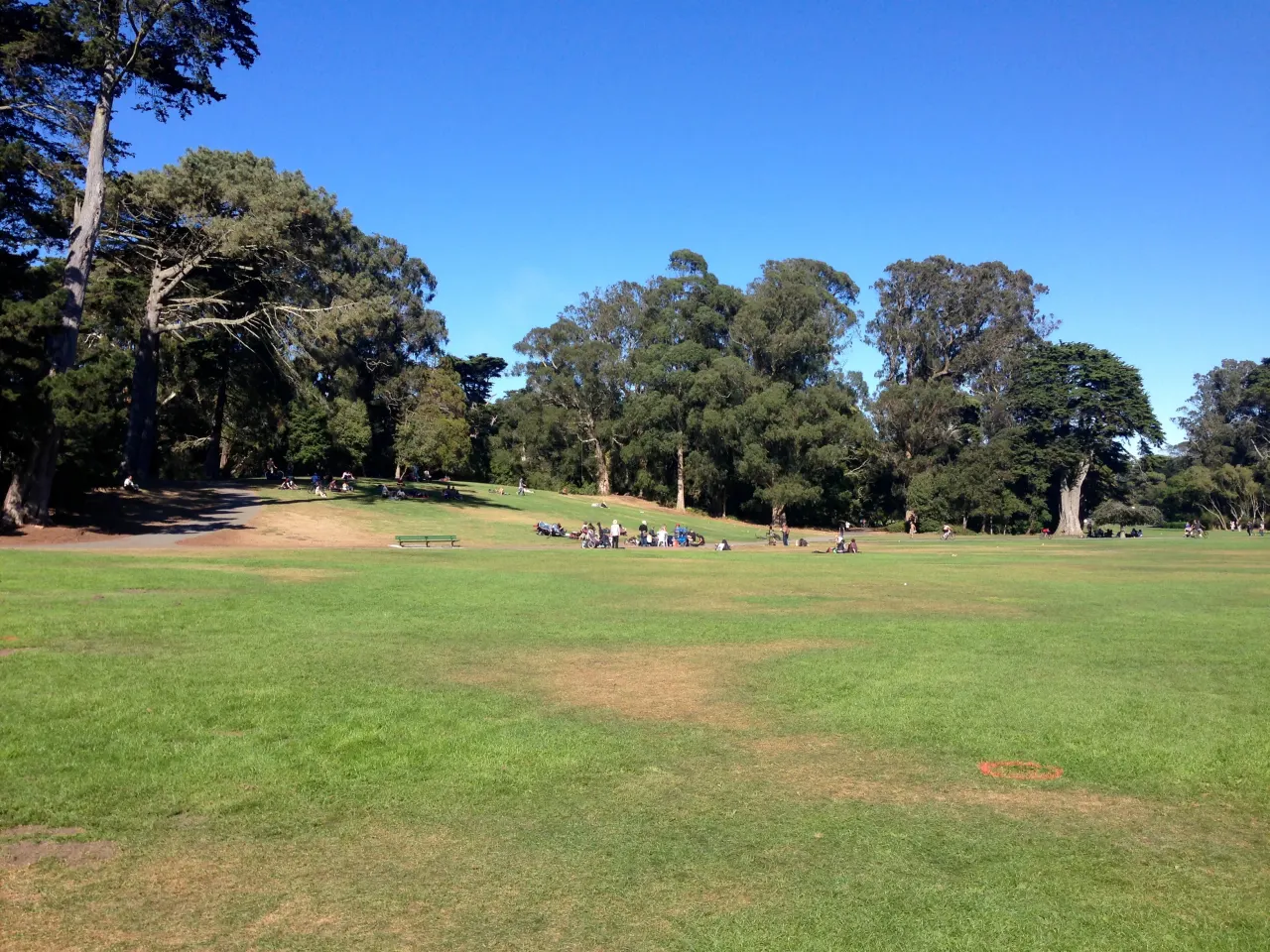
Scottish gardener John McLaren became superintendent in 1890 and ran the park for more than 50 years, until his death in 1943. He oversaw the planting of the park’s forests of pine, cypress and eucalyptus, created lakes and meadows, and famously disliked statues, hiding several behind shrubs. Windmills and wells supplied water for the plantings, and the park slowly reached the ocean.
The 1894 fair and the 1906 earthquake
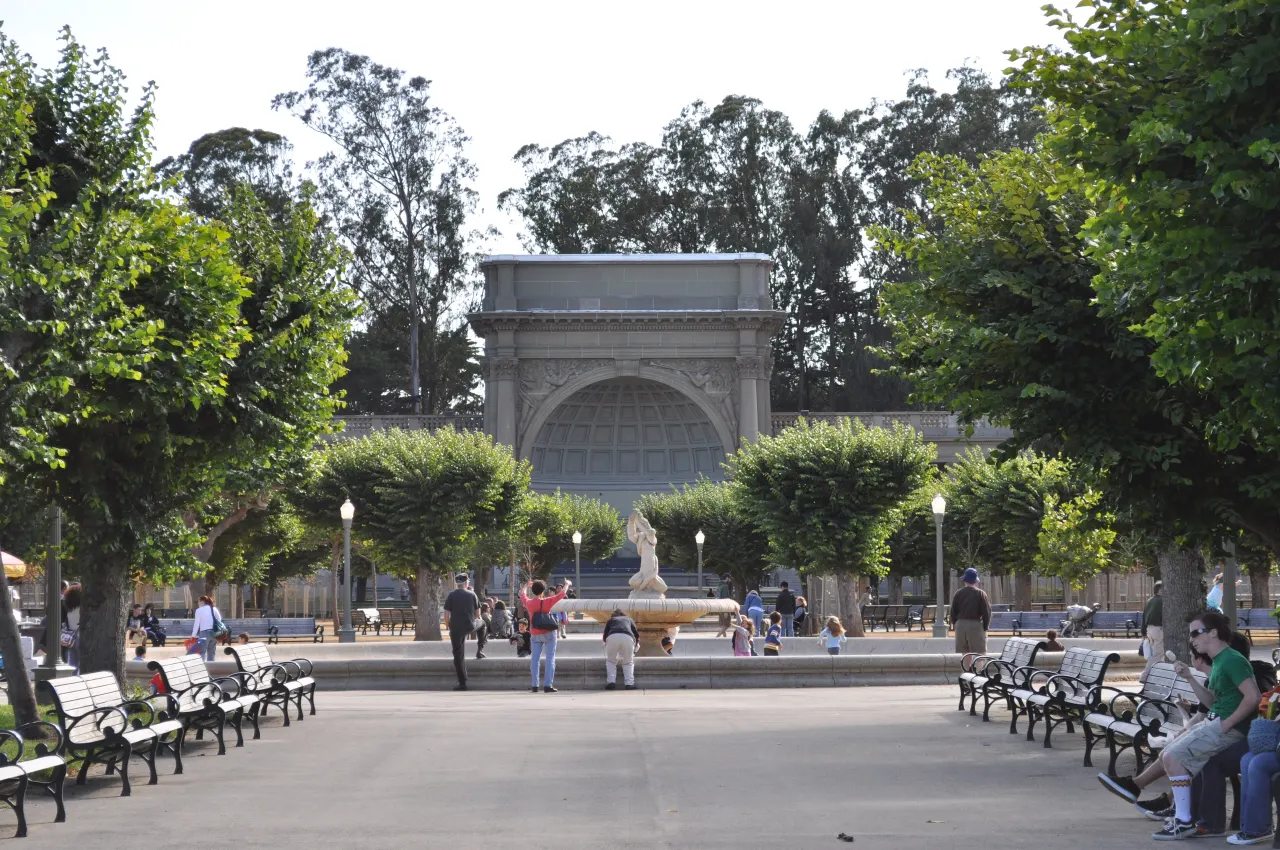
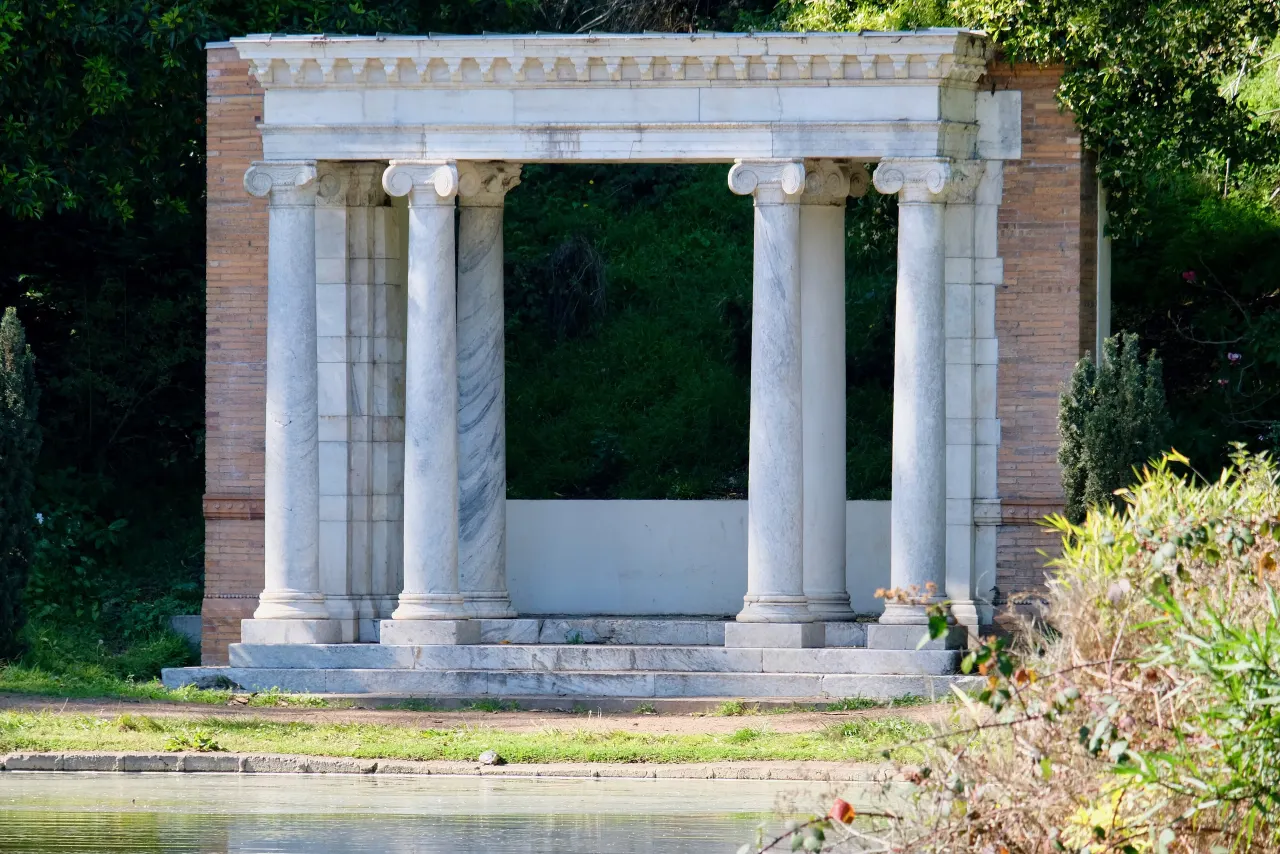
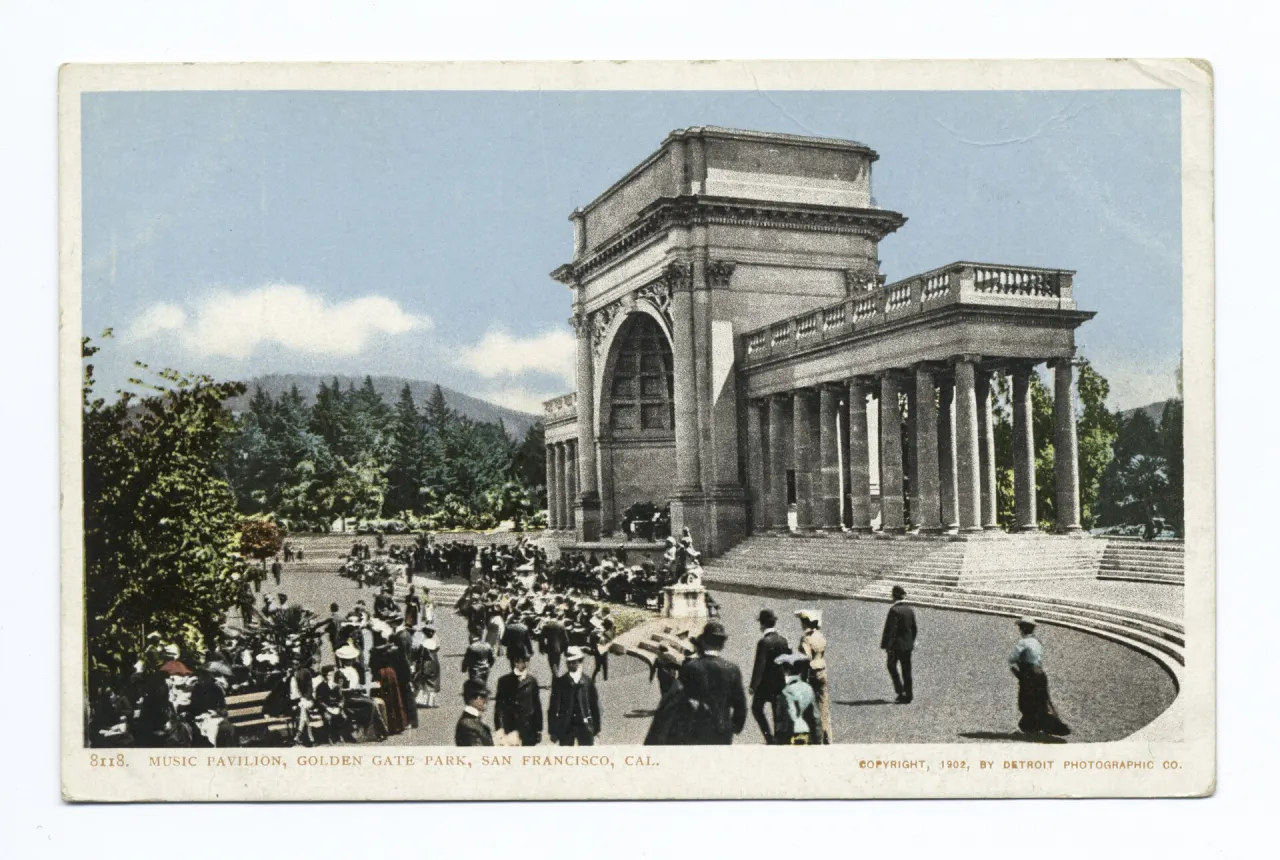
The California Midwinter International Exposition of 1894 created the Music Concourse and left behind the Japanese Tea Garden and the first de Young museum. After the 1906 earthquake and fire, tens of thousands of displaced residents lived in tents and cottages in the park. The Portals of the Past at Lloyd Lake were brought here in 1909 as a memorial.
From the Summer of Love to a car-free promenade
In 1967, the Human Be-In and the Summer of Love put the park and nearby Haight-Ashbury on the world stage. The park celebrated its 150th anniversary in 2020. In 2022, the eastern section of JFK Drive became the permanent car-free JFK Promenade, and in 2025 the road along Ocean Beach to the south became Sunset Dunes park.
Frequently asked questions
Who designed Golden Gate Park?
William Hammond Hall surveyed and planned the park in 1870 and 1871. John McLaren shaped much of it as superintendent from 1890 to 1943.
How old is Golden Gate Park?
It was established in 1870 and celebrated its 150th anniversary in 2020.