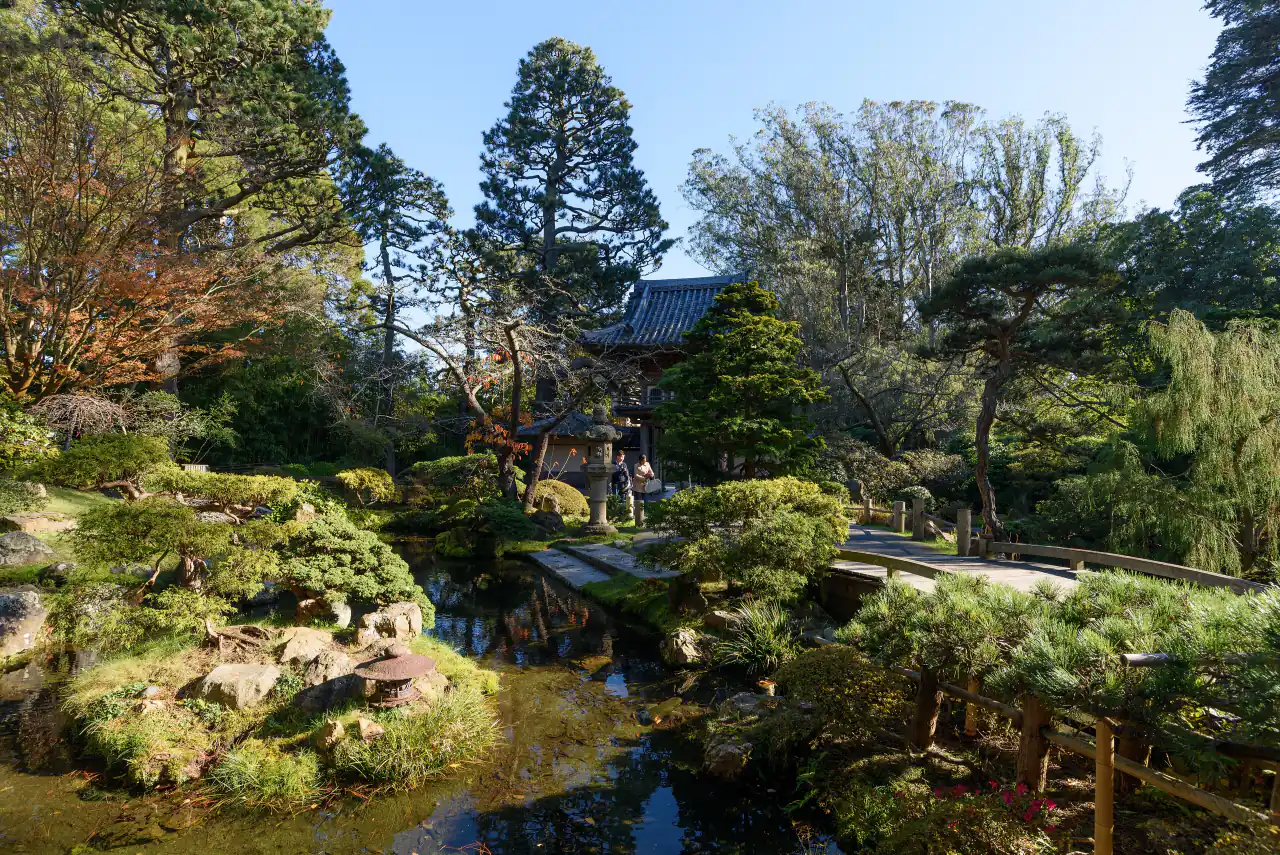
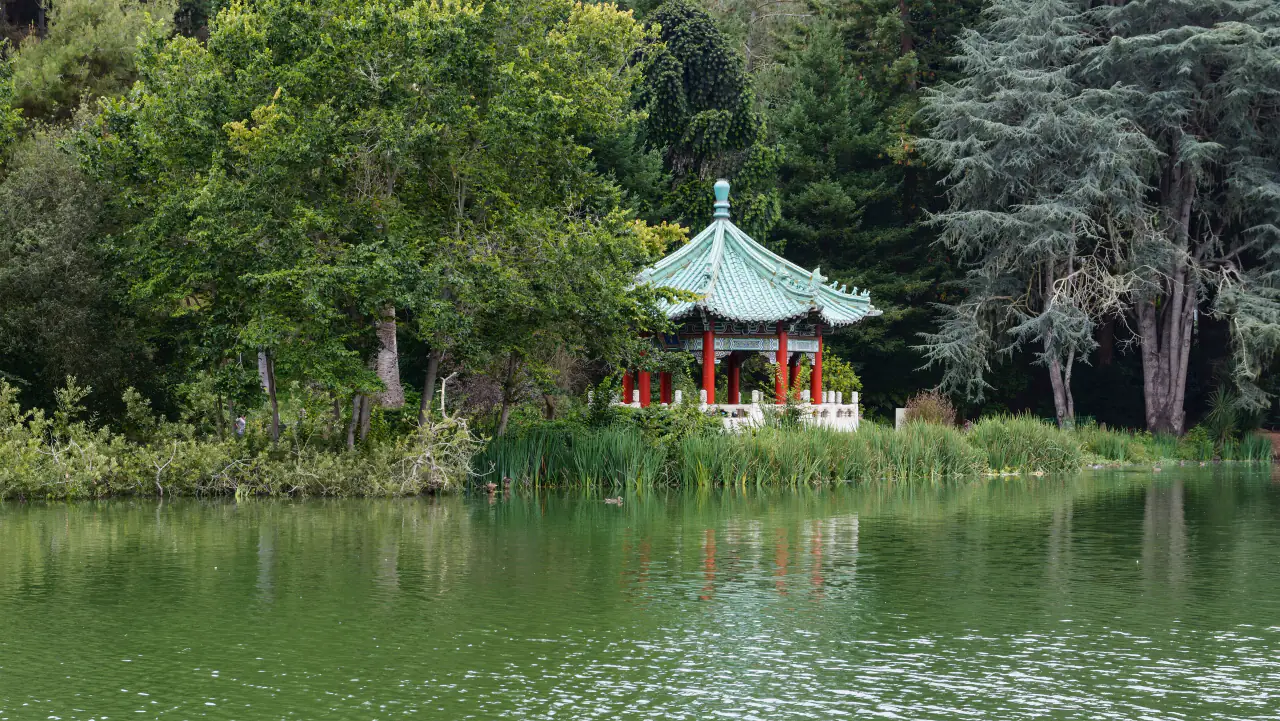
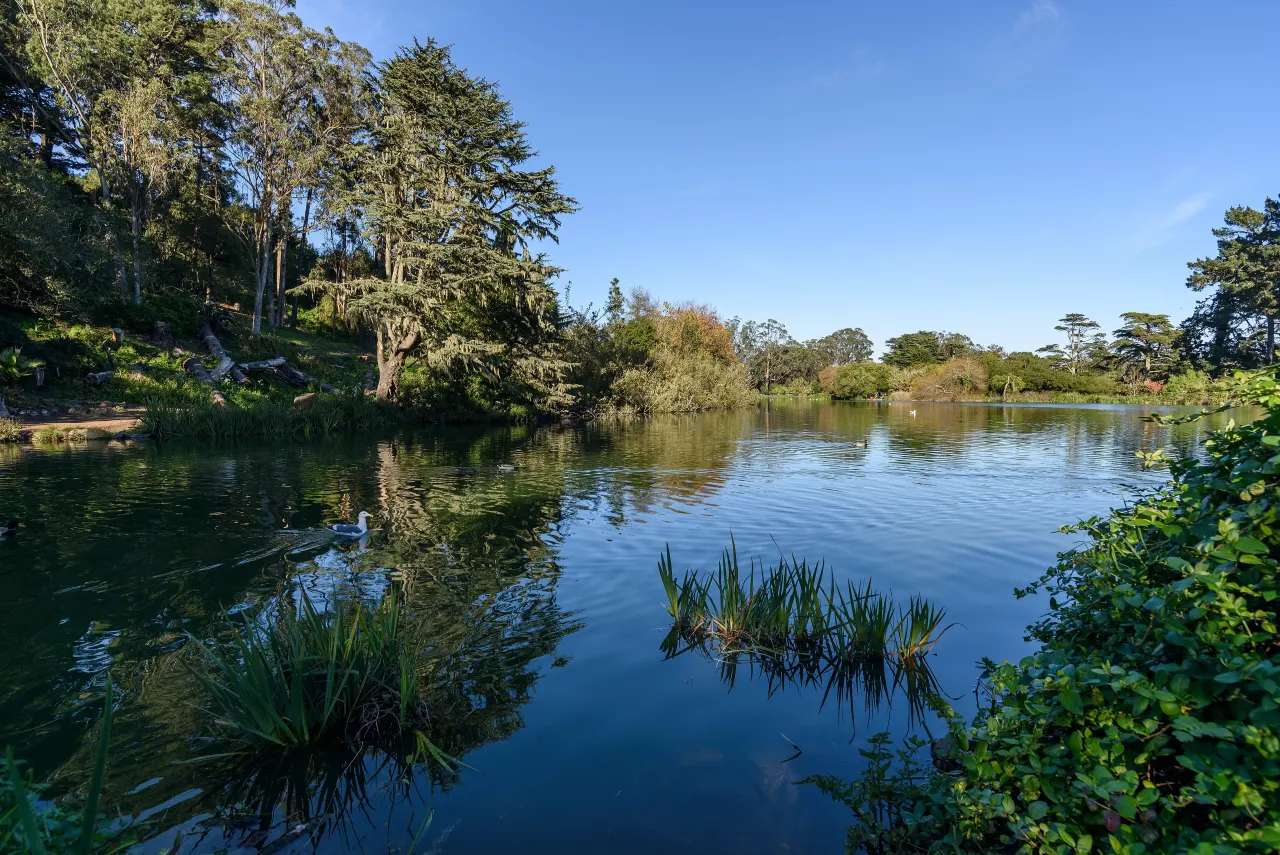
A still pond framed by pines and maples in the Japanese Tea Garden

Golden Gate Park attractions

A pond in the Japanese Tea Garden, December 2016. Photo: King of Hearts · Source · CC BY-SA 4.0

Golden Gate Park packs two major museums, three gardens with admission, a dozen free gardens and lakes, a bison herd and a beach into one long rectangle. Here is how the attractions fit together.

Updated · Independent visitor guide

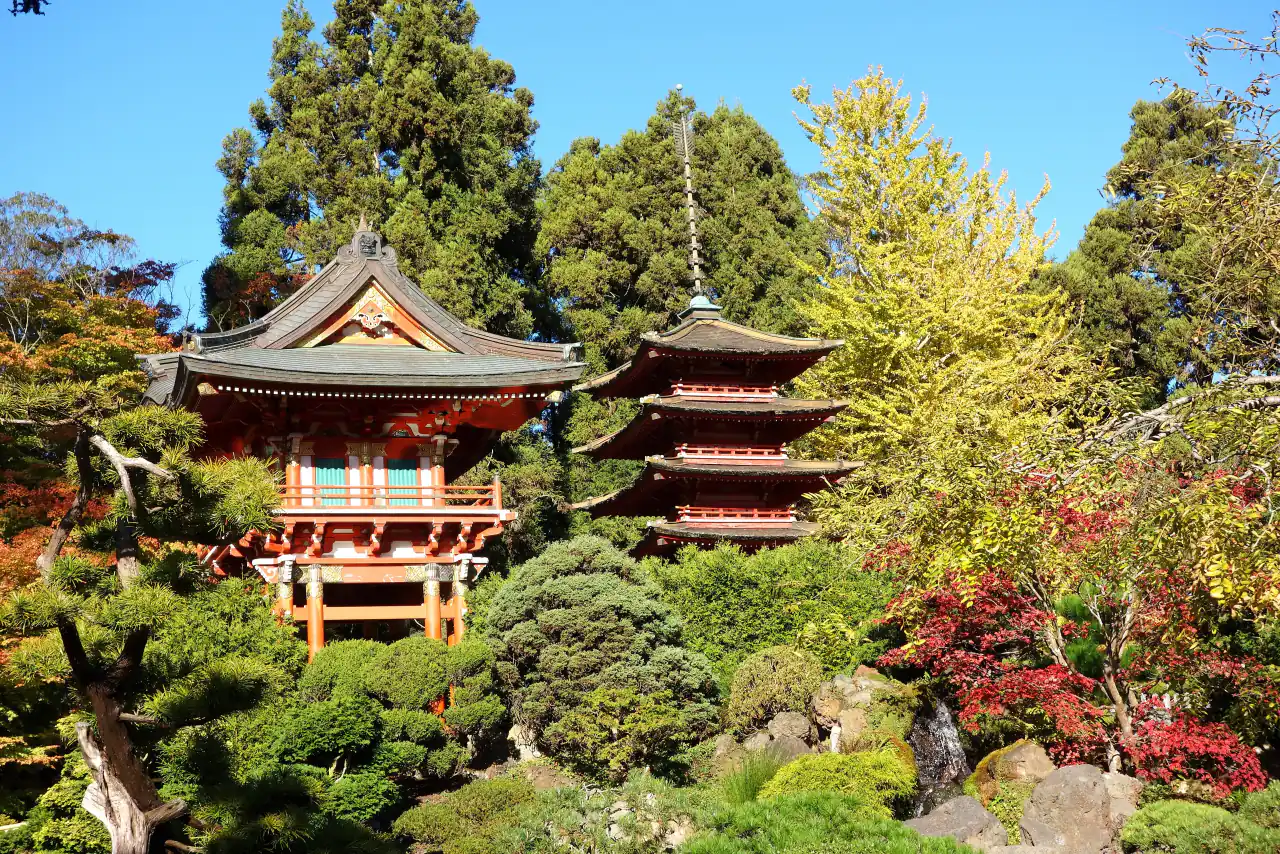
A red five-tiered pagoda among autumn trees and clipped shrubs in the Japanese Tea GardenAttractionJapanese Tea Garden

The Japanese Tea Garden is a five-acre garden of pagodas, koi ponds, stone lanterns and a steep wooden drum bridge beside the Music Concourse. It opened for the 1894 Midwinter Fair and is the oldest public Japanese garden in the United States.

Read the guide
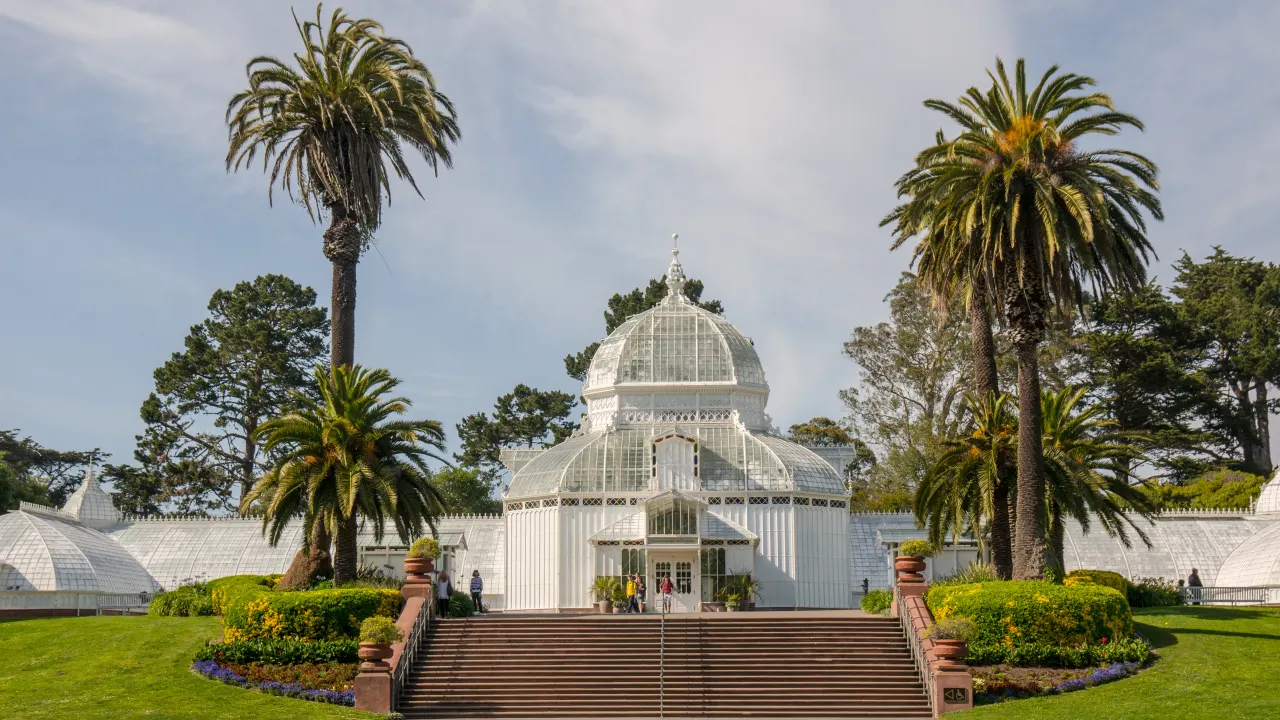
The white Victorian Conservatory of Flowers glasshouse between tall palm treesAttractionConservatory of Flowers

The Conservatory of Flowers is the white Victorian glasshouse at the east end of Golden Gate Park. Opened in 1879, it is the oldest public wood-and-glass conservatory in North America and the oldest building in the park.

Read the guide
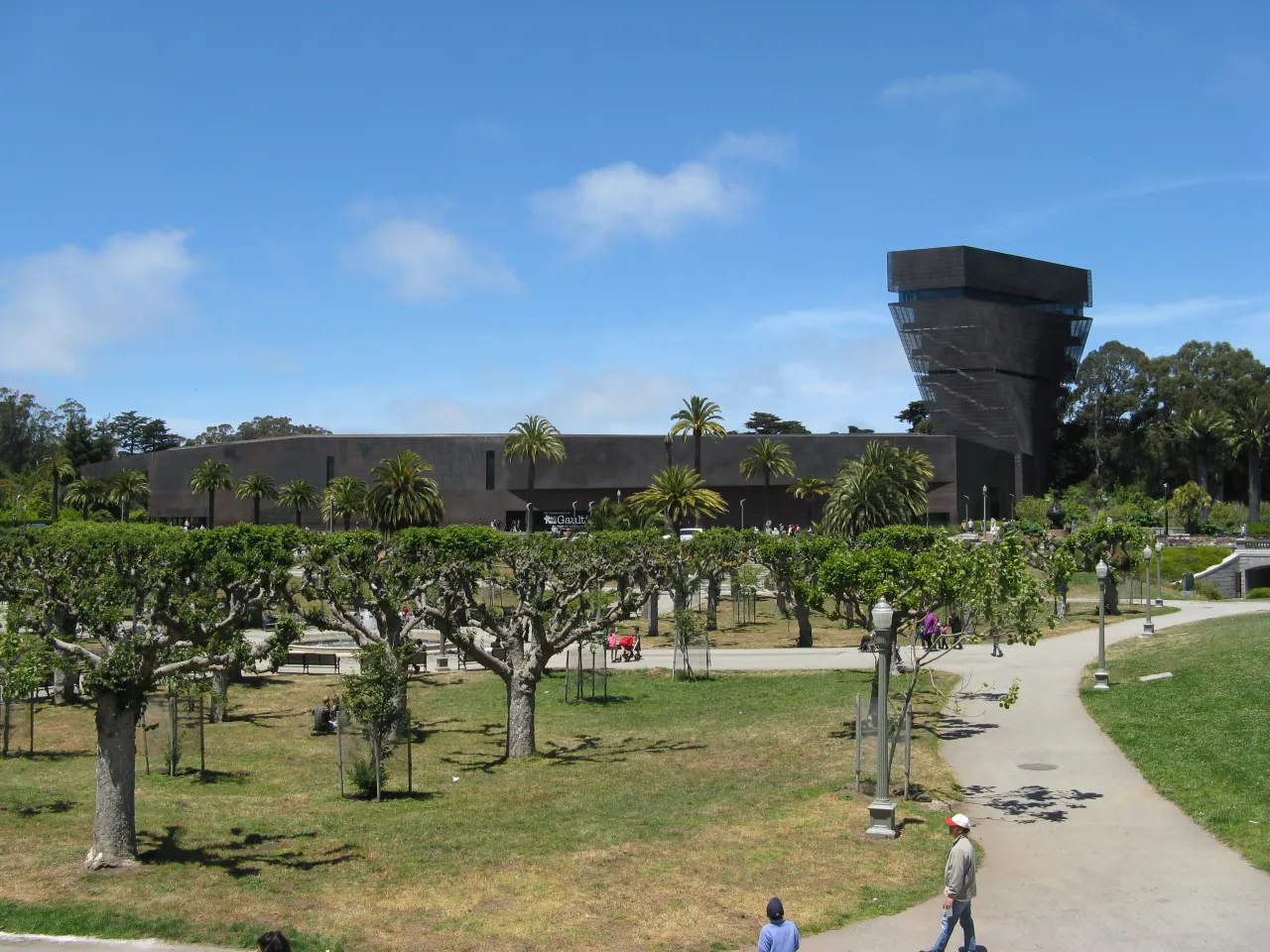
The copper-clad de Young Museum and its twisting observation tower beyond a lawn of pruned treesAttractionde Young Museum

The de Young is San Francisco’s museum of American art and art from Africa, Oceania and the Americas, housed in a copper-clad building on the Music Concourse. Its 144-foot Hamon Observation Tower has free 360-degree views over the park.

Read the guide
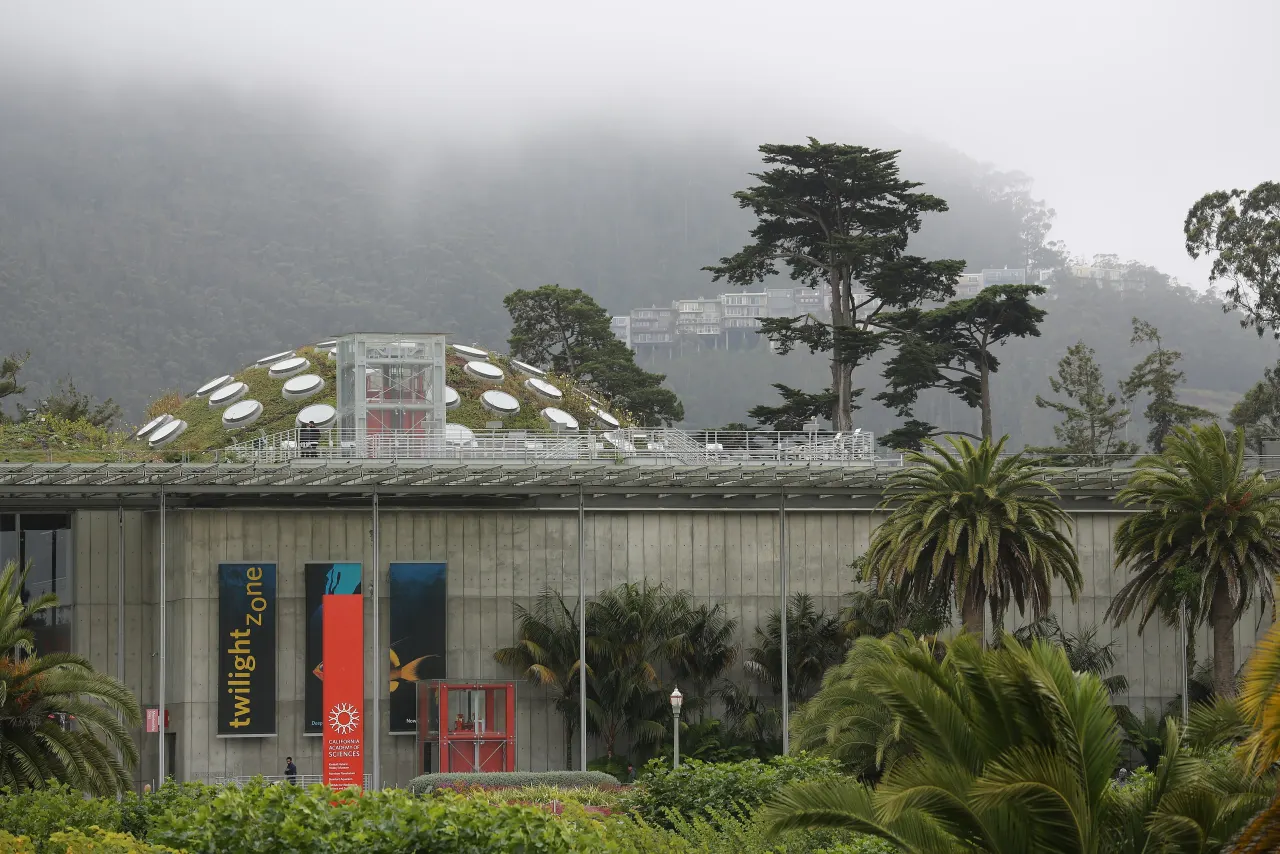
The glass and steel entrance of the California Academy of Sciences under low fogAttractionCalifornia Academy of Sciences

The California Academy of Sciences puts an aquarium, a planetarium, a four-story rainforest and a natural history museum under a single living roof on the Music Concourse. It is one of the park’s most popular stops for families.

Read the guide
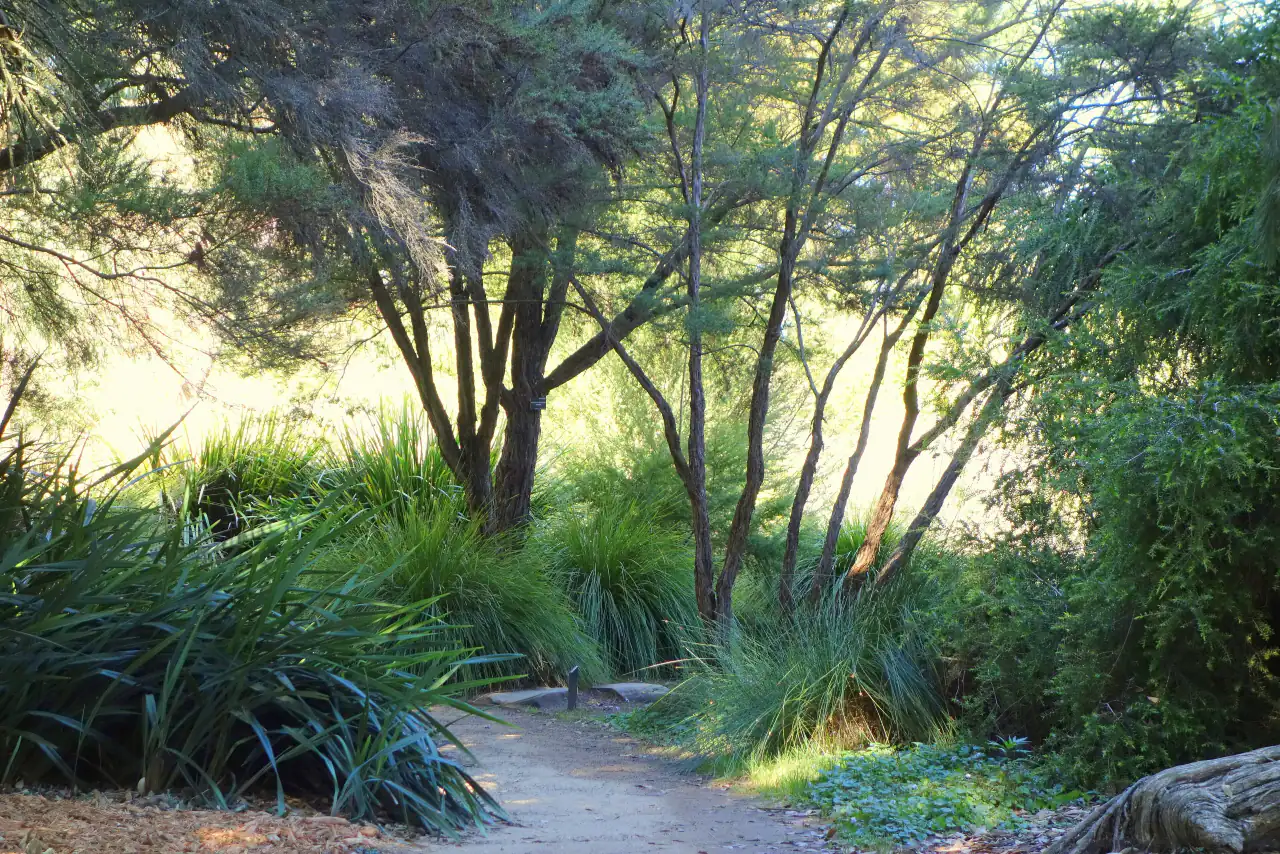
A shaded path winding through trees and ferns in the San Francisco Botanical GardenAttractionSan Francisco Botanical Garden

The San Francisco Botanical Garden is a 55-acre garden with more than 8,000 kinds of plants from cloud forests, Mediterranean climates and the California coast. It is free daily before 9 a.m. and always free for San Francisco residents.

Read the guide
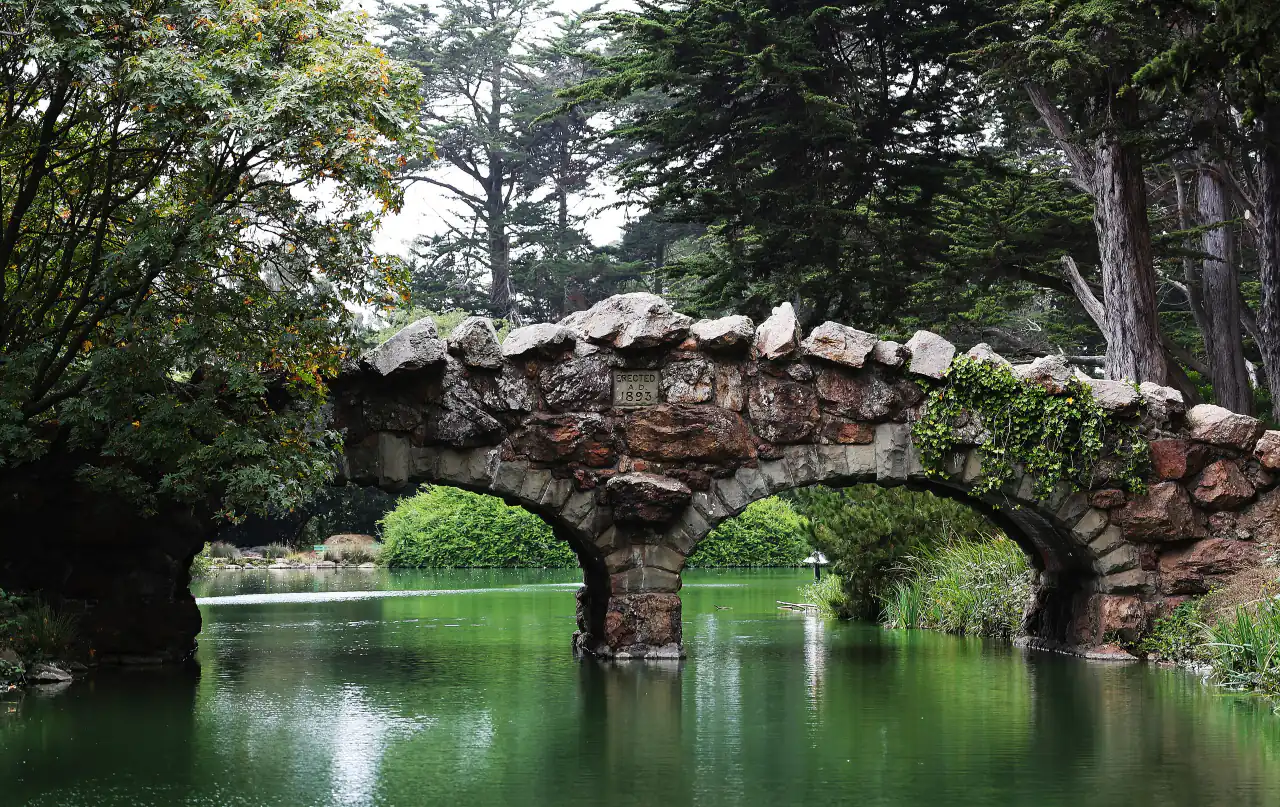
The arched stone Rustic Bridge reflected in Blue Heron LakeAttractionBlue Heron Lake (Stow Lake)

Blue Heron Lake, called Stow Lake until January 2024, is the largest lake in Golden Gate Park: a ring of water around Strawberry Hill where you can rent a pedal boat, walk a flat one-mile loop or climb to a waterfall.

Read the guide
The red and green Chinese Pavilion on the shore of Blue Heron Lake, reflected in the waterAttractionStrawberry Hill & Huntington Falls

Strawberry Hill is the forested island in the middle of Blue Heron Lake. Paths climb past Huntington Falls to the top, which at about 412 feet is the highest point in Golden Gate Park.

Read the guide
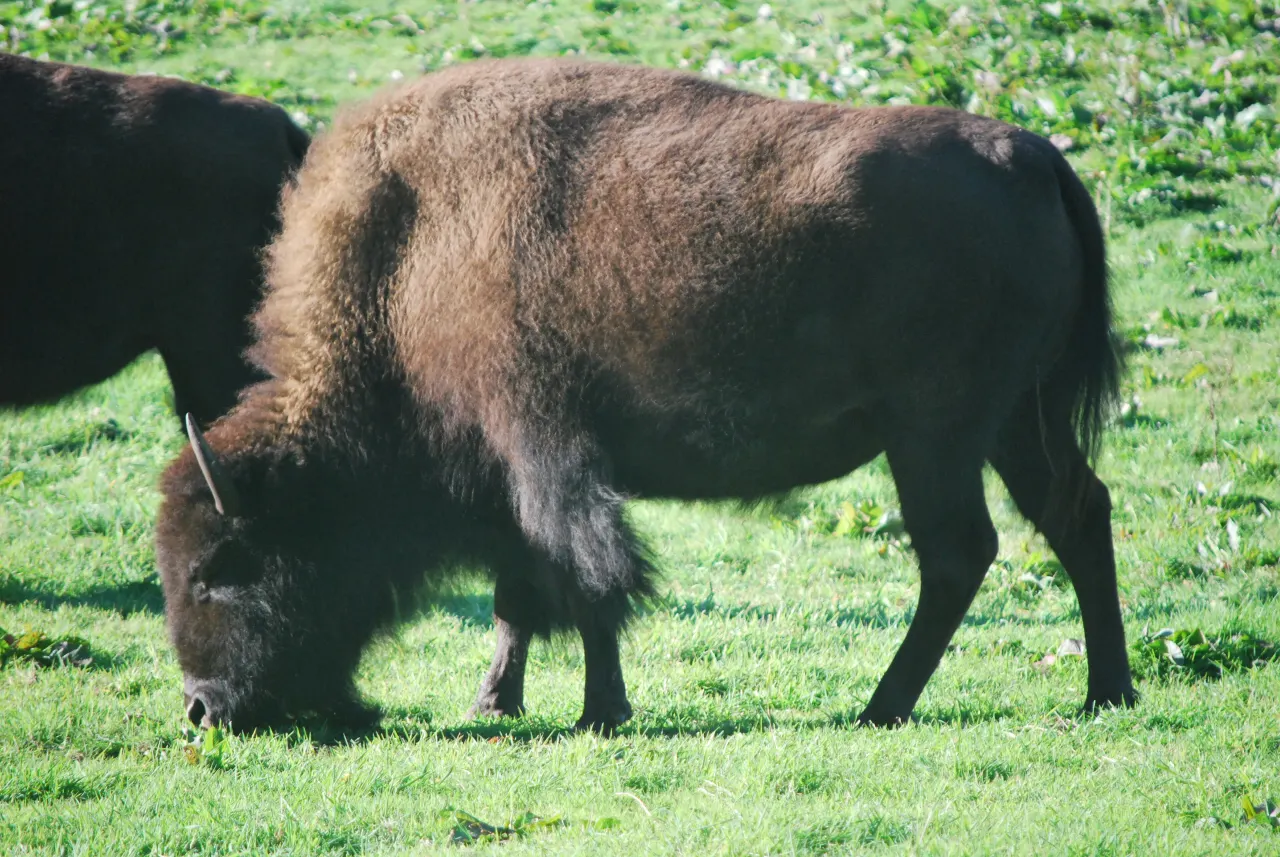
A brown bison grazing on green grass in the Golden Gate Park bison paddockAttractionBison paddock

Golden Gate Park has kept American bison since the early 1890s. A small herd lives in a fenced paddock on the north side of John F. Kennedy Drive in the west end of the park, and seeing it is free.

Read the guide
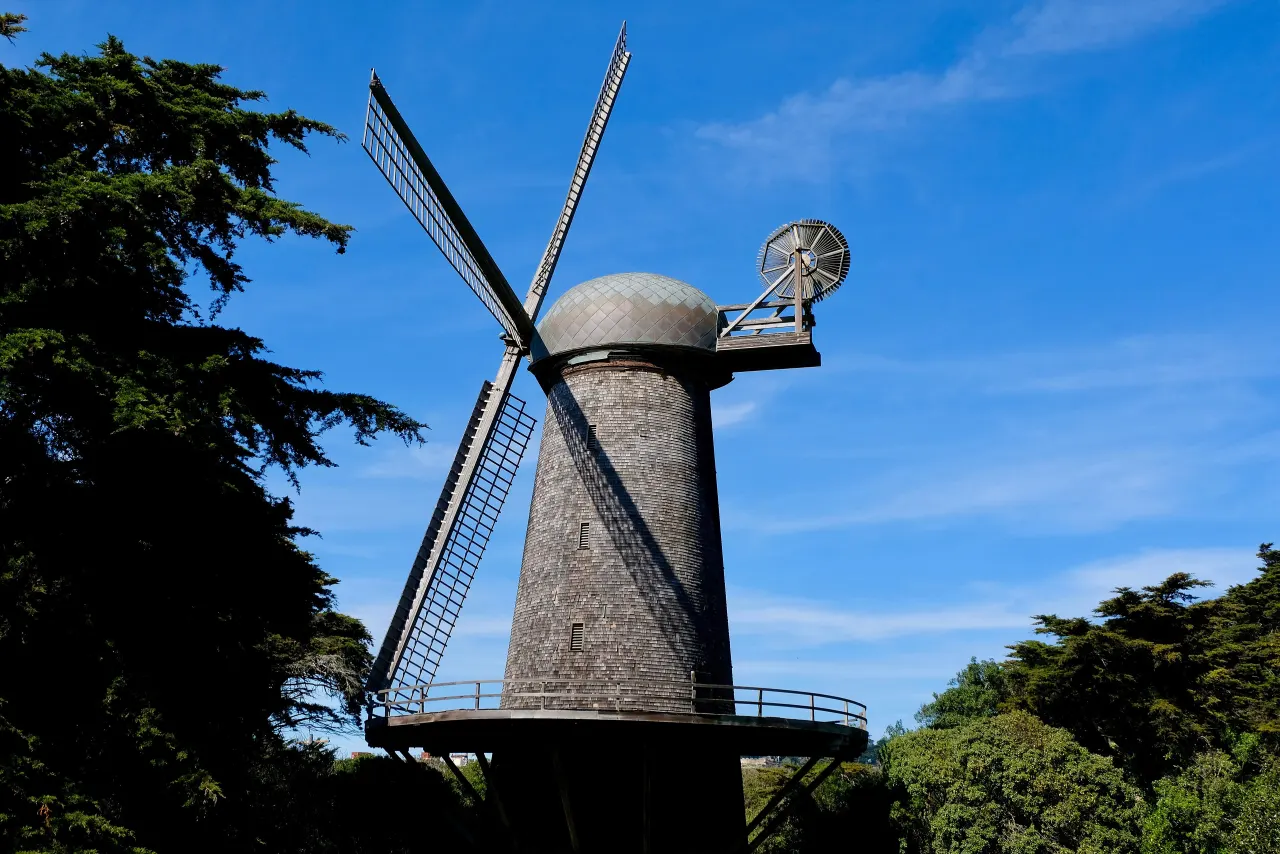
The Dutch Windmill with its sails against a deep blue skyAttractionWindmills & tulip garden

Two windmills stand at the western edge of Golden Gate Park. The Dutch Windmill, finished in 1903, overlooks the Queen Wilhelmina Tulip Garden, which blooms from late February into April.

Read the guide
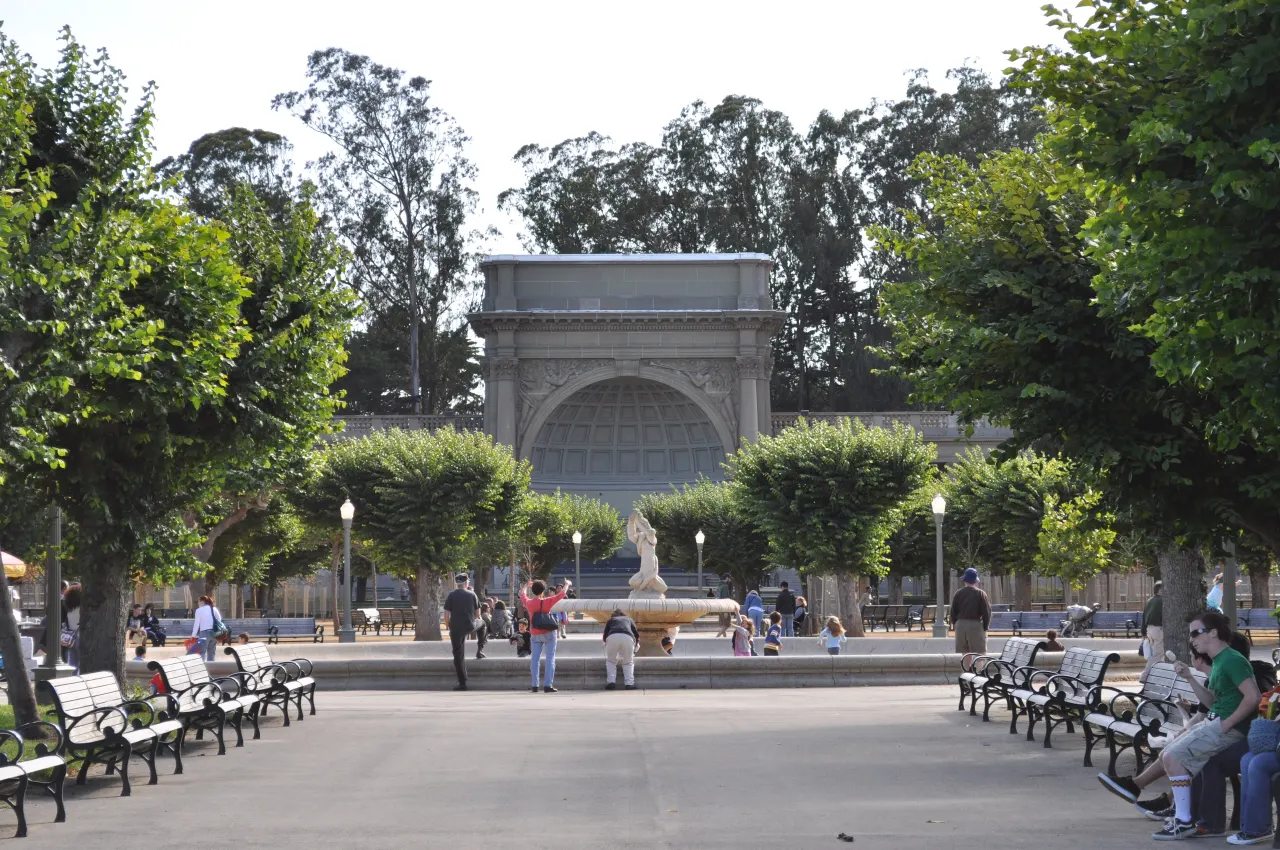
The Spreckels Temple of Music bandshell with benches and trees on the Music ConcourseAttractionMusic Concourse & bandshell

The Music Concourse is the sunken plaza between the de Young Museum and the California Academy of Sciences. At its east end stands the Spreckels Temple of Music, a 1900 bandshell where the Golden Gate Park Band still plays free concerts on Sundays.

Read the guide
A stone-lined path and ferns in the National AIDS Memorial GroveAttractionNational AIDS Memorial Grove

The National AIDS Memorial Grove is a 10-acre garden of redwoods, ferns and stone in de Laveaga Dell, near the east end of Golden Gate Park. Congress designated it a national memorial in 1996. It is free and open whenever the park is.

Read the guide
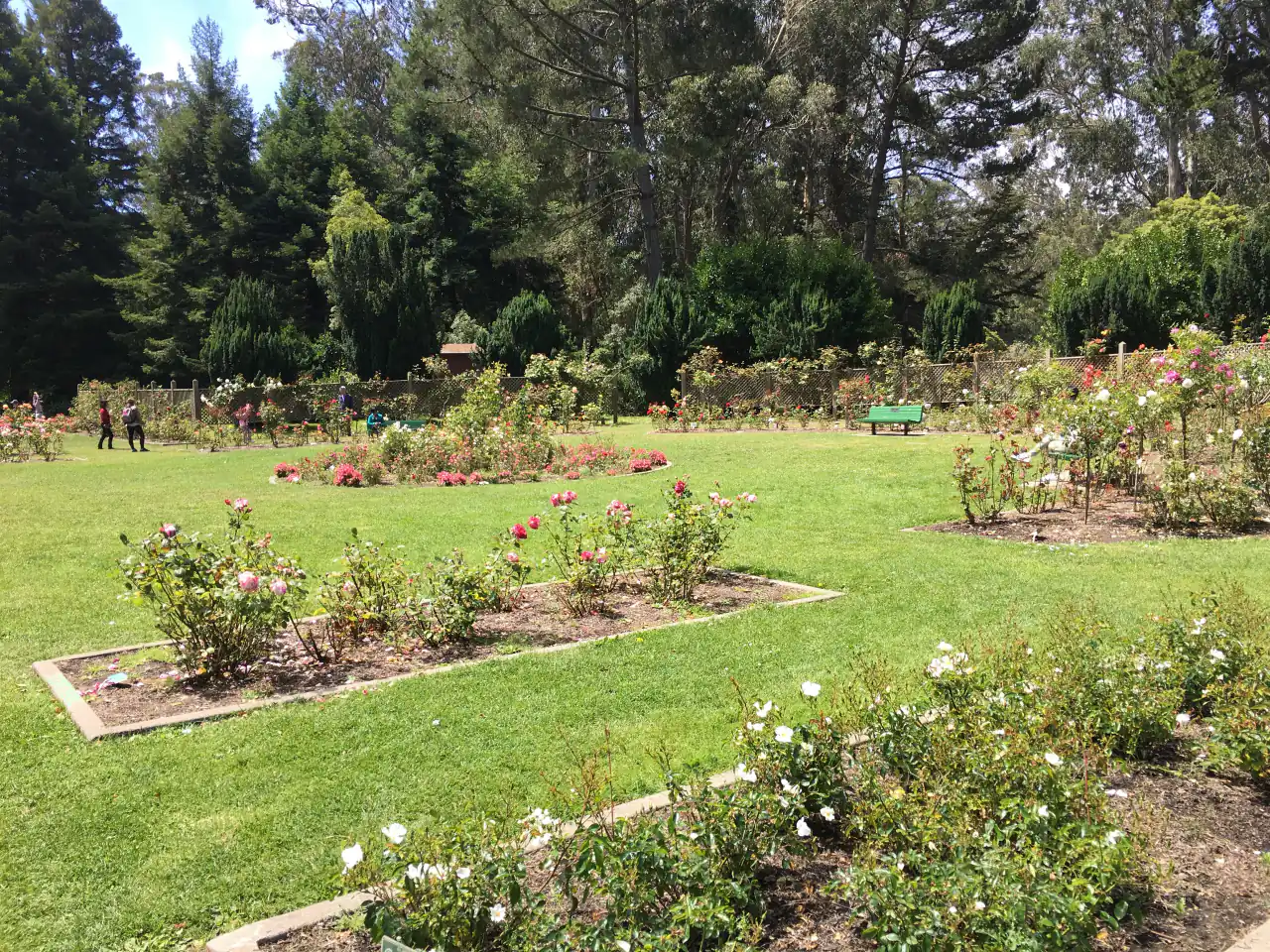
Rows of rose beds on a green lawn edged by trees in the Golden Gate Park Rose GardenAttractionRose Garden

The Golden Gate Park Rose Garden is a free, fenced garden of rose beds on John F. Kennedy Drive in the eastern half of the park. It blooms from late April into October and is at its best in May and June.

Read the guide
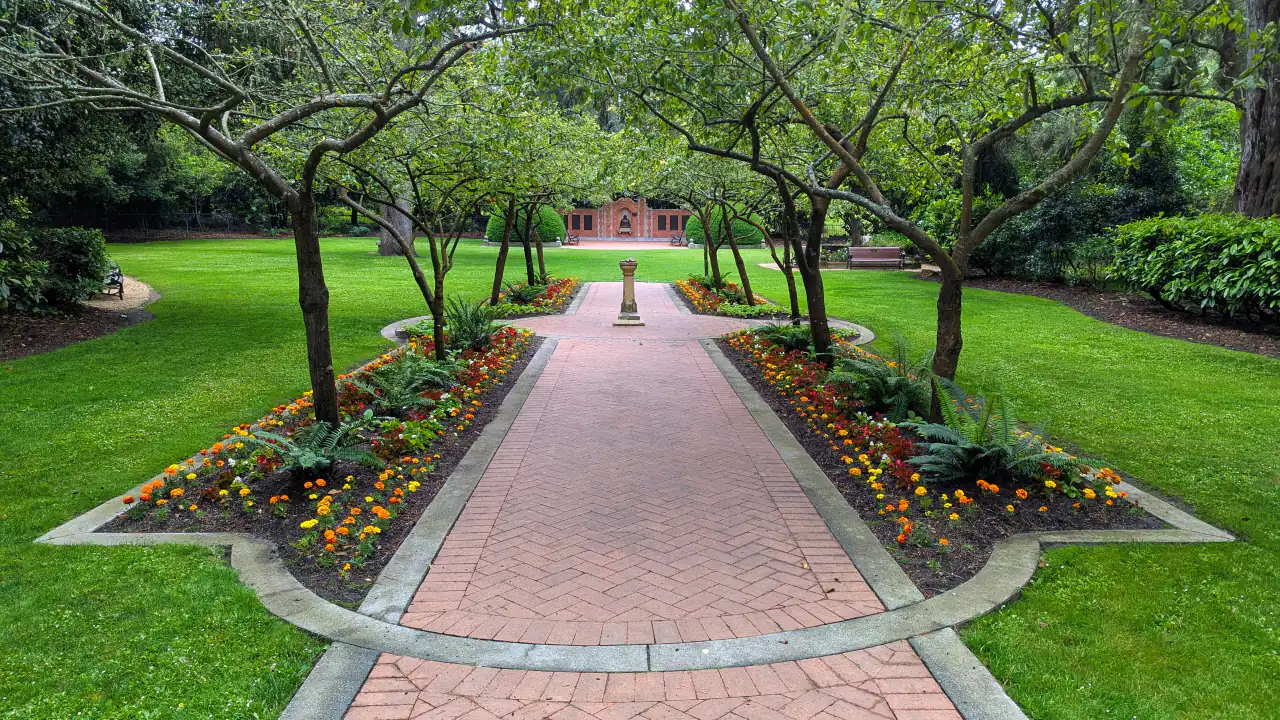
A brick path leading between flowerbeds and trees to the gates of the Shakespeare GardenAttractionShakespeare Garden

The Shakespeare Garden is a small, walled garden of flowers and plants mentioned in William Shakespeare’s plays and poems, tucked between the California Academy of Sciences and Martin Luther King Jr. Drive. It is free and one of the park’s quietest corners.

Read the guide
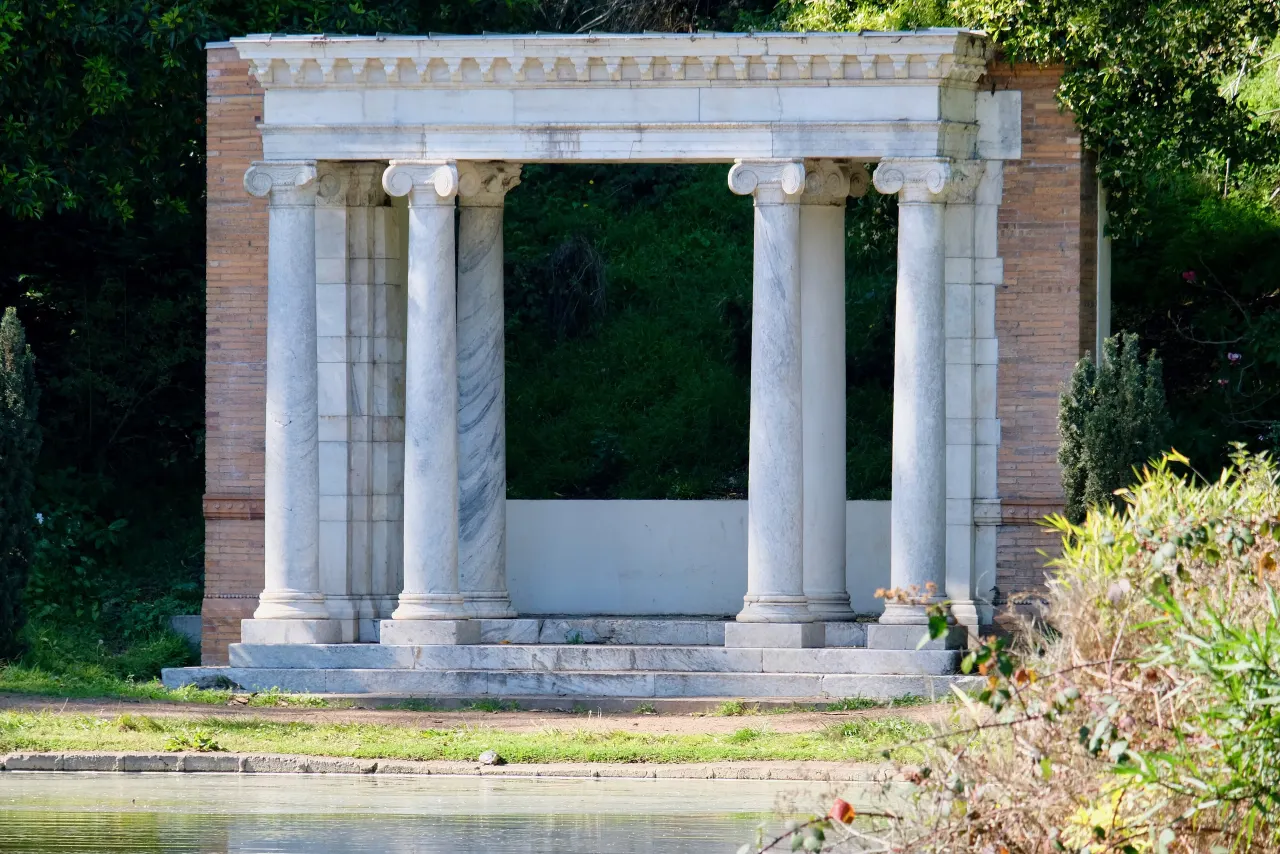
The white marble columns of the Portals of the Past beside Lloyd LakeAttractionLakes & waterfalls

Golden Gate Park has more than a dozen lakes and two man-made waterfalls, all free. These are the ones worth a detour, from the 1906 Portals of the Past to the model-boat pond at Spreckels Lake.

Read the guide
The grassy slope of Hippie Hill under tall trees on a sunny dayAttractionHippie Hill

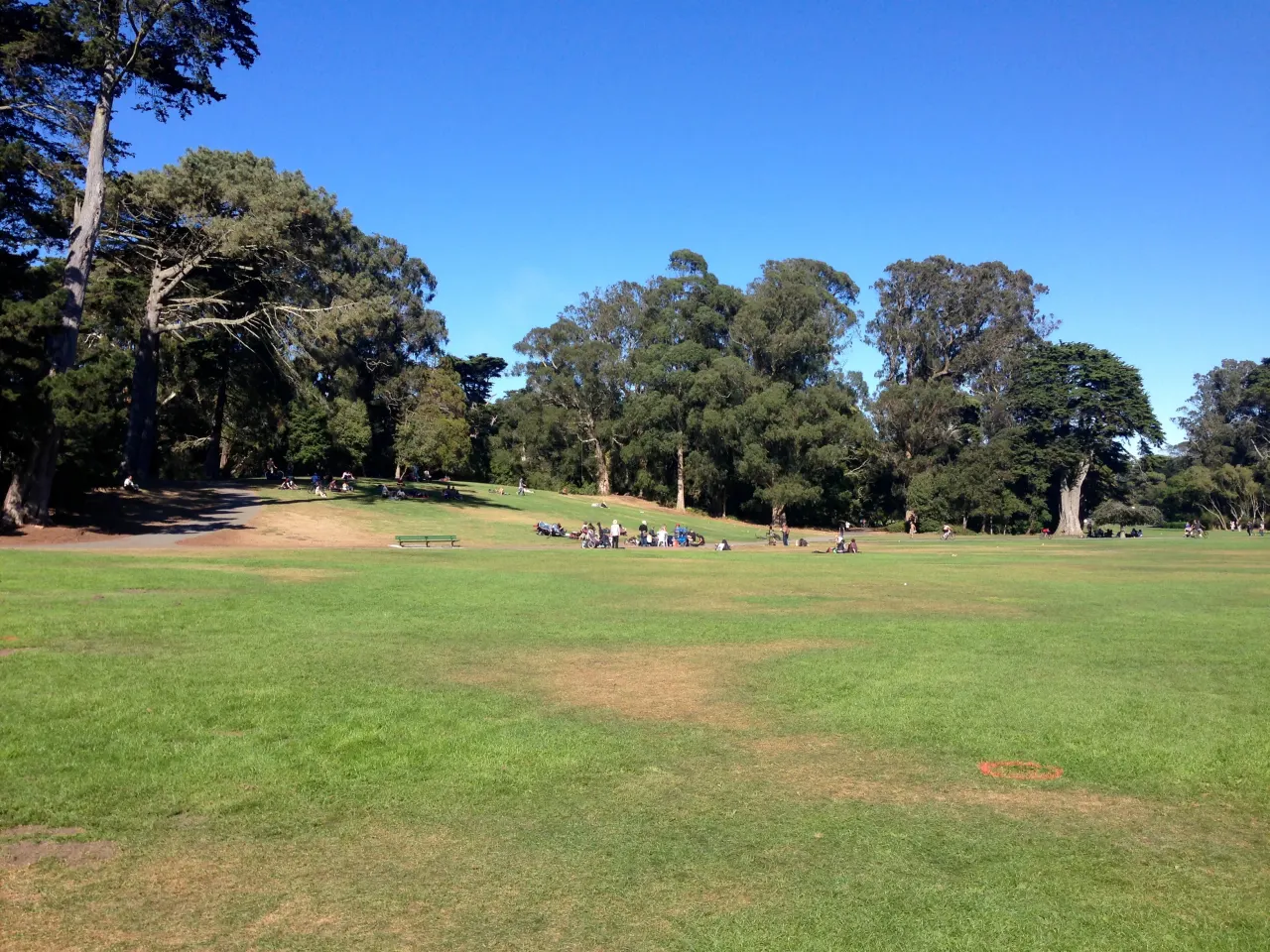
Hippie Hill is the grassy slope above Robin Williams Meadow (formerly Sharon Meadow), a few minutes’ walk from Haight Street. It has been the park’s favorite place to sit in the sun, play drums and people-watch since the 1960s.

Read the guide
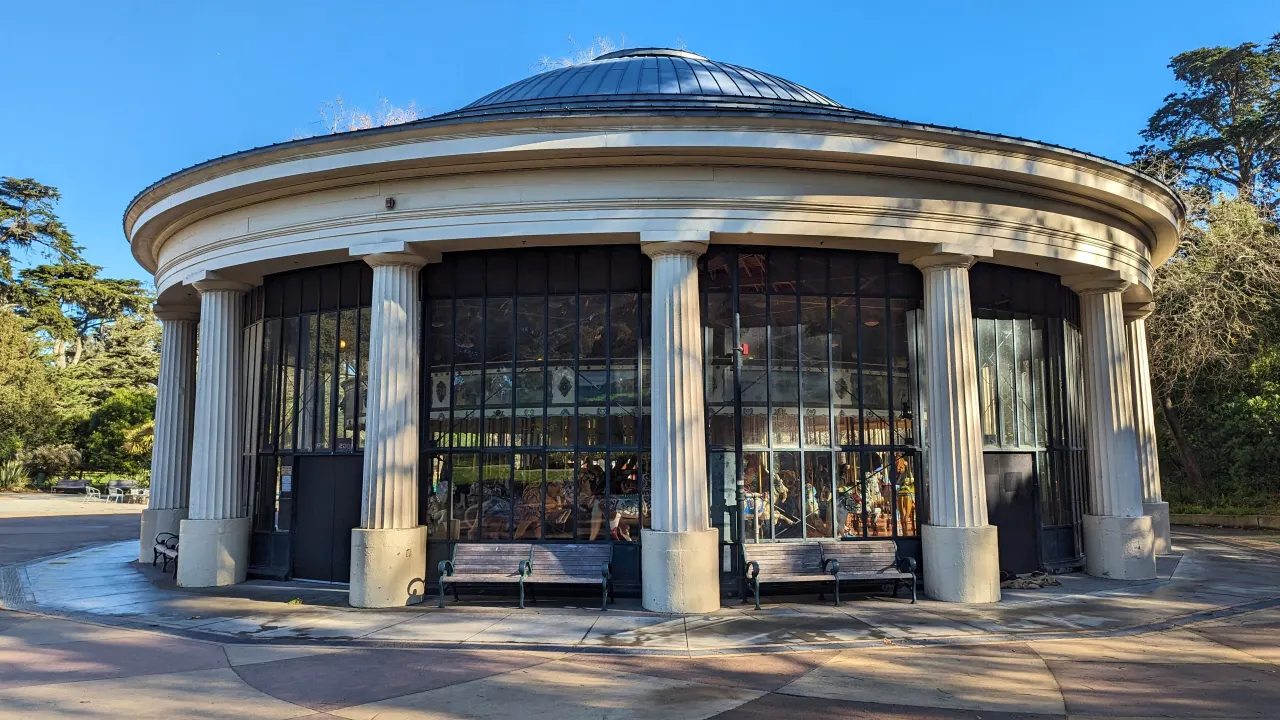
The domed, open-sided carousel building in Golden Gate ParkAttractionCarousel & playground

The Koret Children’s Quarter near the east end of Golden Gate Park is widely described as the first public playground in a U.S. park, opened in 1888. Next to it, a 1914 carousel still turns for a few dollars a ride.

Read the guide
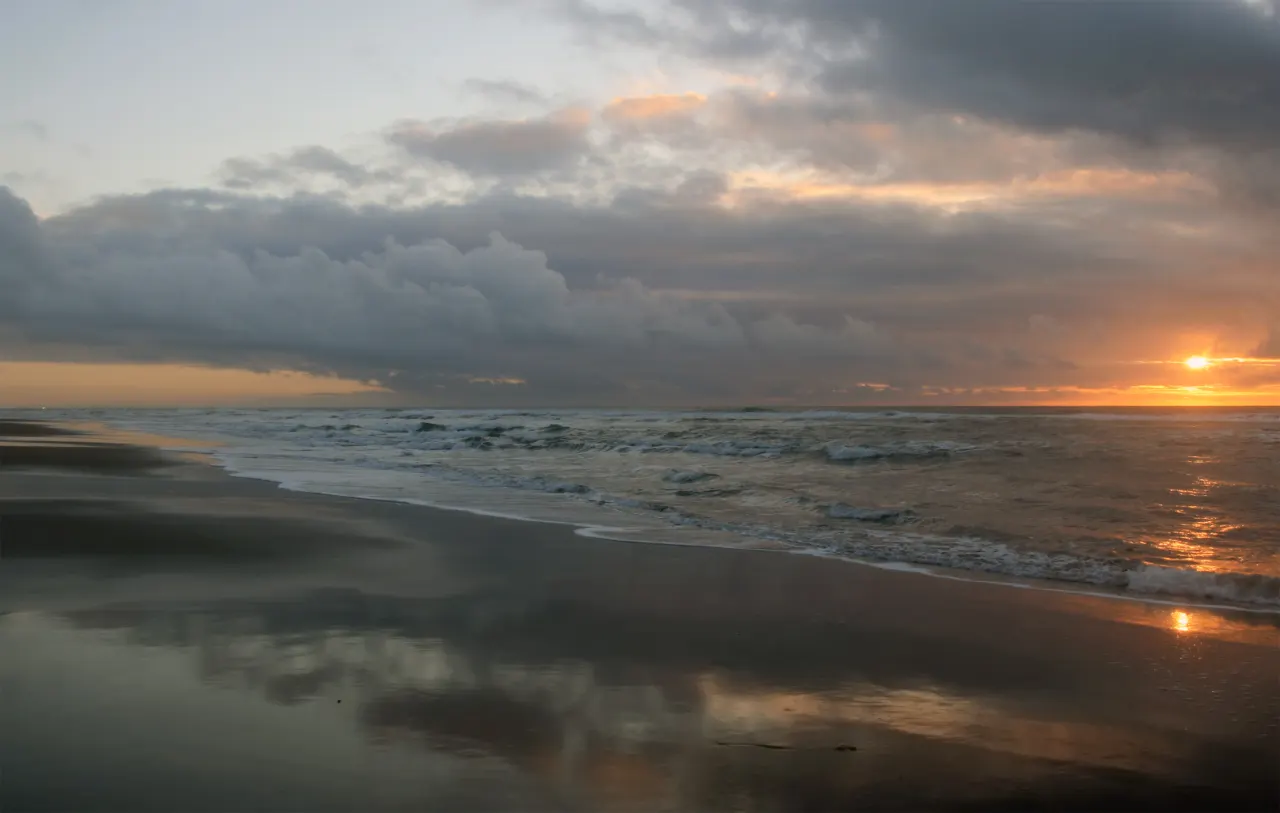
Wet sand reflecting a cloudy sunset over the Pacific at Ocean BeachAttractionOcean Beach & Sunset Dunes

Ocean Beach runs about 3.5 miles along San Francisco’s Pacific coast, directly west of Golden Gate Park. Since 2025, the road behind it south of the park has been Sunset Dunes, a car-free oceanfront park.

Read the guide
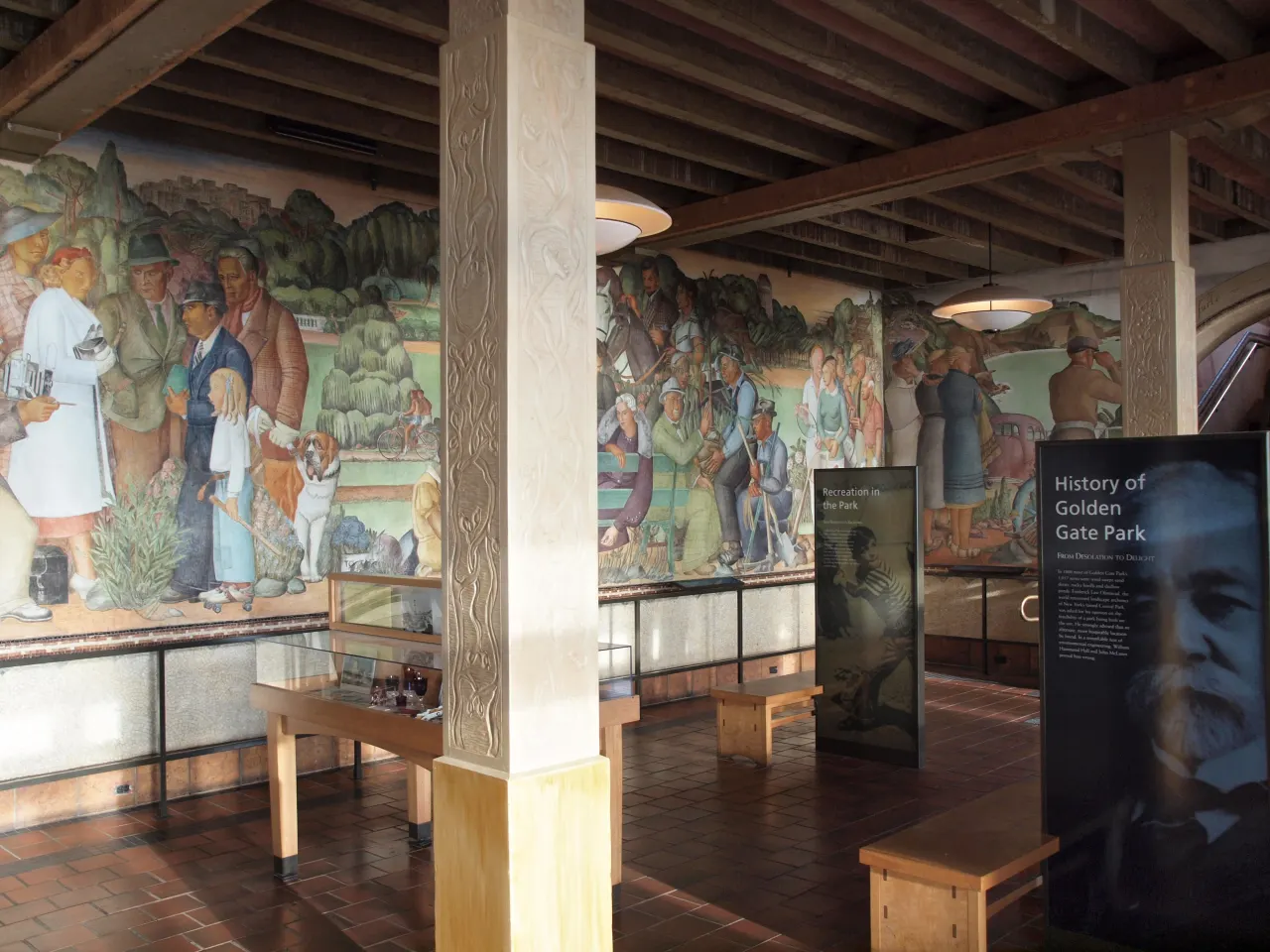
Painted frescoes of 1930s San Francisco life covering the walls of the Beach Chalet lobbyAttractionBeach Chalet

The Beach Chalet is a white Spanish Revival building at the western end of Golden Gate Park, facing Ocean Beach. Its ground floor holds restored 1930s murals of San Francisco life by Lucien Labaudt, free to see.

Read the guide
Golden Gate Park attractions compared
AttractionCostHoursAllow
de Young MuseumAbout $20 adults; tower freeTue–Sun 9:30 a.m.–5:15 p.m.2 hours
California Academy of SciencesAbout $40–$45 adultsMon–Sat 9:30–5; Sun 11–53 hours
Japanese Tea GardenAbout $12–$16 non-residents; free 9–10 a.m. Mon/Wed/FriDaily from 9 a.m.45–60 minutes
Conservatory of FlowersSmall fee for non-residents; free first Tuesday10 a.m.–4:30 p.m.; closed Wed45–60 minutes
San Francisco Botanical GardenAbout $15–$17 non-residents; free 7:30–9 a.m.Daily from 7:30 a.m.1–2 hours
Blue Heron Lake and Strawberry HillFree; boat rentals extraPark hours1 hour
Bison, windmills, Ocean BeachFreePark hours1–2 hours

The Music Concourse cluster

The Music Concourse is the park’s busiest square: the de Young Museum faces the California Academy of Sciences across a sunken plaza of pollarded plane trees, with the Japanese Tea Garden on its west side and the San Francisco Botanical Garden a short walk south. The Spreckels Temple of Music closes the far end. You can spend a full day inside this cluster without walking more than ten minutes between doors.

Lakes, hills and waterfalls

West of the museums, Blue Heron Lake circles Strawberry Hill, where Huntington Falls tumbles past the Chinese Pavilion. Farther out are Lloyd Lake, Spreckels Lake and Rainbow Falls, all free and all reachable from the car-free JFK Promenade.

The quieter west end

The western half is quieter and windier. Stop at the bison paddock, then follow John F. Kennedy Drive to the Dutch Windmill, the Beach Chalet murals and Ocean Beach. Most visitors never get this far, which is exactly why it is worth the trip.

How to see more in less time

Group your stops by area rather than by fame: the park is about three miles long, so crossing it twice eats an afternoon. Use the free park shuttle on the eastern side, a bike for the long stretches, and check hours and admission before you go, because the Conservatory closes on Wednesdays and the de Young on Mondays.
Sources & current information

Check the responsible provider for current access, schedules, prices and availability.